The Epstein Network – Sexual Abuse, State Power, and Impunity
How Epstein’s network really worked: money, banks, intelligence links, oligarchs, powerful abusers, the Florida plea deal, and the ongoing cover‑up that still stands between survivors and anything resembling justice.
Introduction
There’s a point where impunity is not a failure of the system, it is the purpose of the system. Some things shake our belief in justice and government to the core, anyone who has spent anytime with the Epstein case will feel the same. Justice is too often institutional force applied to the weak and vulnerable by the strong: ‘the strong do what they will and the weak suffer what they must ‘.
That is the starting point for a new AI powered podcast series I’ve been working on: The Epstein Network: Sexual Abuse, State Power, and Impunity — and its opening episode, “The Deal of a Lifetime.”
Anyone who spends time with the documents – FBI files, court transcripts, bank records, internal emails, and the informant reports – runs into the same problem. There is no single neat theory that explains everything. We look for something resembling the truth faced with an enormous jigsaw with most of the missing pieces withheld from us. Based on the DOJ’s own numbers, we are allowed to see perhaps two percent of the evidence seized from Epstein’s properties. The rest sits protected from public scrutiny by the US government.
The Epstein story is ultimately about impunity — about an American justice and political system that has spent over thirty years manufacturing it for the wealthy and powerful.
If the US was a great country in 2003 for the Epstein criminal enterprise, then it has become an even greater country since. We now have a man in the White House who was a friend of Epstein for years and has long moved in the same circles, is closely linked to Russian mafia–adjacent figures, and has been accused of sexual abuse by many women, including in one case a 13‑year‑old girl. This is not unrelated, the US political and justice system has been subverted for a long time. That’s exactly why and how someone like Trump becomes President.
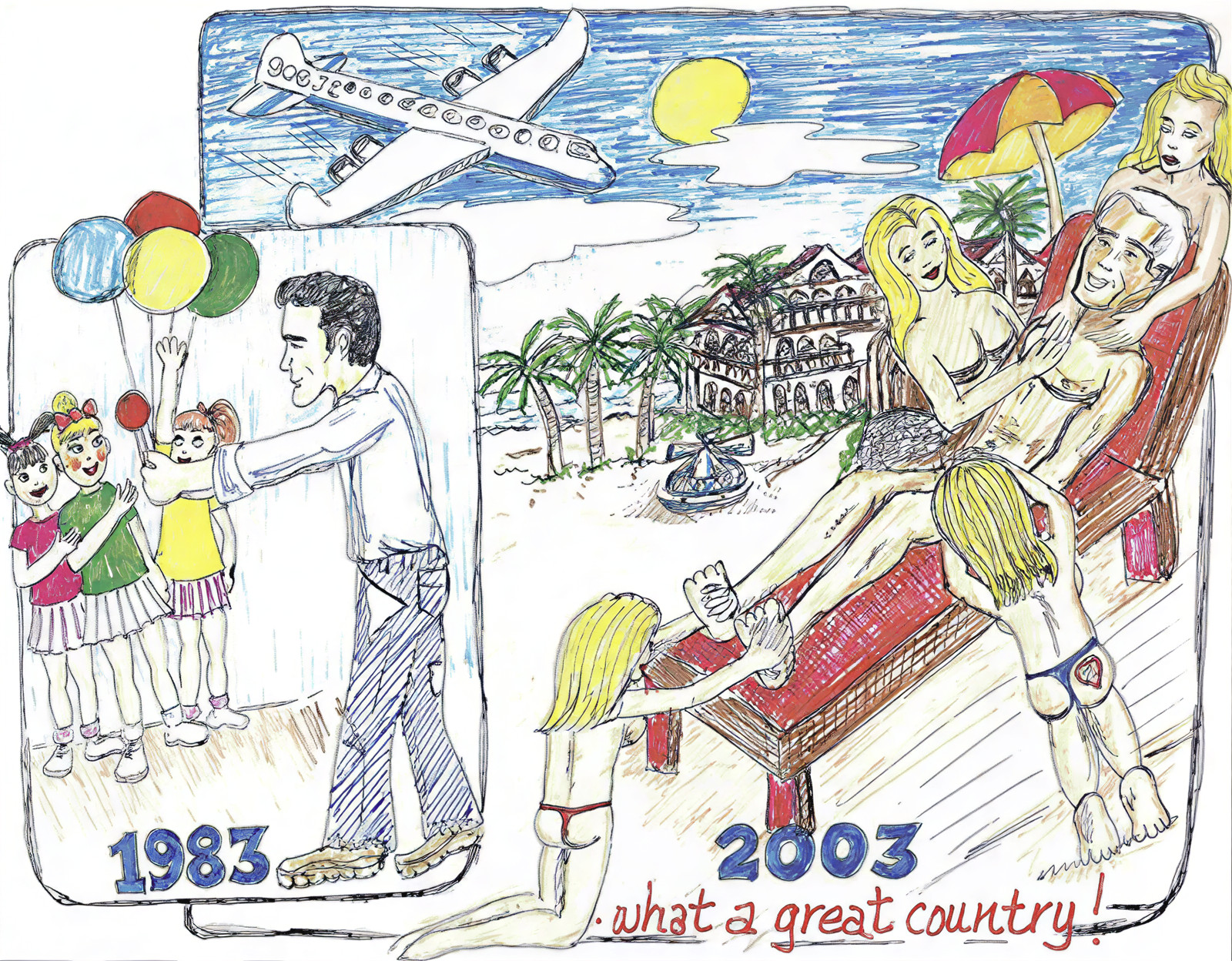 Drawing included in a birthday photo album gifted to Jeffrey Epstein for his 50th birthday, complied by Ghislaine Maxwell. The photo shows Epstein gifting young girls lollipops and balloons, alongside another drawing of him receiving massages.
Rich predator / Blackmail honeypot / Mossad & US intelligence asset/ Russian mafia connected /Tax‑evasion specialist to the ultra‑rich:
Each of these stories capture only a fragment of the picture. None of them can carry the full weight of the story: the scale of the trafficking, the range of powerful men involved internationally, the behaviour of prosecutors and regulators, the banks that protected and facilitated him and his co-conspirators, the immunity deal that shut down the investigation into the whole network, the way the truth keeps being buried. The reason why US Government will do anything and everything but follow the money trail and fully investigate and prosecute the abusers and those that protected them or funded them.
This series attempts to look at some of those fragments. It looks at the money, the banks, the intelligence rumours, the Russian and Israeli connections, the quasi-philanthropy, and the victims’ long struggle just to be heard. By the end, one hypothesis starts to look, at least to me, like the only realistic way to make sense of the evidence we have: that Epstein was not just a rogue predator with friends or compromised contacts in high places, he was a long‑running intelligence asset, intermediary and operator embedded in the darkest parts of what we call the deep state across multiple countries.
It is also worth being careful in the framing of this issue, given the risks of misuse of this scandal for antisemitic rhetorical purposes. The Epstein network was not a “Jewish conspiracy”. The network was, most plausibly, primarily a US-Israeli government intelligence asset (based on the structural support, the sources we have and the extraordinary treatment of his criminal enterprise), a network that also had links into the Russian mafia.
The Epstein network conspiracy and cover up is US led and the US justice system was misused by powerful Americans who choose what is in the American national interests (which trump the human rights or interests of any individuals). We may never know how wide and deep that conspiracy is, but looking at the behaviour of the DOJ today it’s clear it continues in full force all the way up to criminal-in-chief Donald Trump.
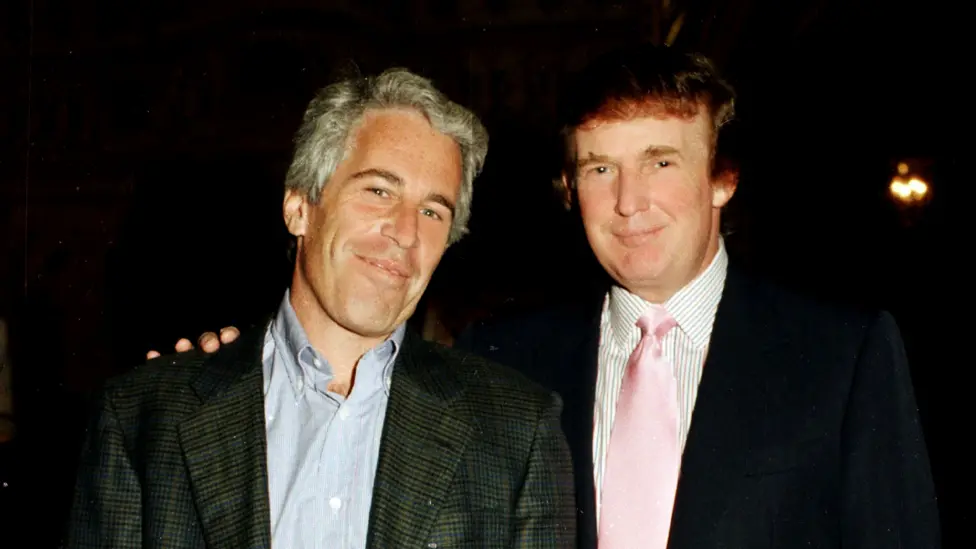 A file photo of Jeffrey Epstein and Donald Trump at Trump’s Mar-a-Lago estate in Palm Beach, Florida in 1997. Davidoff Studios/Getty Images
You may not agree with the US-Israeli intelligence asset hypothesis (in my experience most people simply do not want to believe their government is capable of doing such terrible things - history assures us otherwise). In any event, the point is not to insist on any simple or binary hypothesis as being the only ‘Truth’. The point is to see what happens when you treat the Epstein story as a network – of people, institutions, and interests – and then ask a simple question: which hypotheses best explains all of the known facts?
"In one letter, former prime minister of Israel Ehud Barak and his wife wrote “there is no limit to your curiosity.” “You are like a closed book to many of them but you know everything about everyone,” they wrote, describing Epstein as “A COLLECTOR OF PEOPLE.” (Guardian)
Occam’s razor requires us to remove all unnecessary hypotheticals but once we have done that:
“When you have eliminated the impossible, whatever remains, however improbable, must be the truth.”
(Sherlock Holmes)
Ultimately the point is to keep questioning this scandal publicly, to demand the arrest and prosecution of all of those powerful people involved, to force an admission that government agencies and the justice system was completely compromised and, one day, offer some form of belated justice, if that’s even possible now, or at least recognition and apology to the hundreds or even thousands of victims.
These women and children were repeatedly abused by powerful men and women and then abused again and again in a different way by the US government – that abuse will continue until the cost of silence and complicity outweighs the cost of honesty and decency.
The podcast and accompanying blog article has been made with the assistance of a wide range of AI tools for research, analysis, prompting and content. Published in stages and updated as new material emerges.
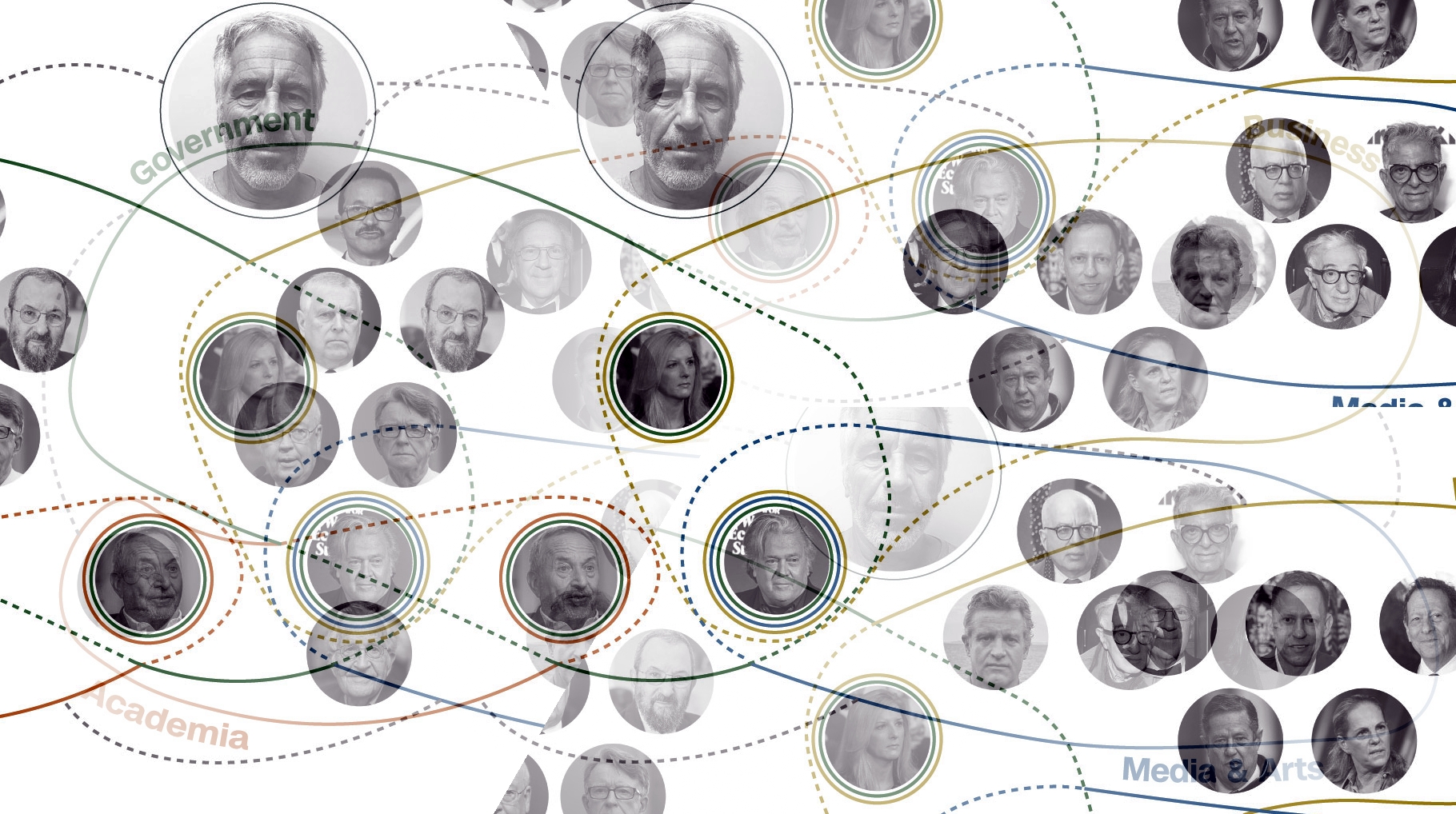

Table of Contents
- Introduction
- Episode 1 – The Deal of a Lifetime
- Episode 2: Follow The Money
- Episode 3: The Banks As Willing Criminal Network Facilitators
- Episode 4: Trump, MAGA, and the Network Around Epstein
- Episode 5. The Russian Trafficking, Mafia and Putin Networks
- Episode 6. A Transnational Network With An American Heart
- In The Words Of The Victims
- Conclusion
- Other Useful Sources
This post is an introduction and an invitation to dive into a number of deeply troubling rabbit-holes that take you down into the dark dungeons of the deep state. That is why the Epstein story is not really about Epstein. It is about:
- how power launders itself through banks, charities, and “philanthropy”
- how law enforcement learns to or is directed to look away
- how intelligence agencies and organised crime often share the same corridors and assets
- how victims become an afterthought in a system ostensibly built to protect them
The podcast series is an attempt to follow this terrible story without falling into titillating conspiracy or whitewashing. I’m interested in the structures that made Epstein possible, survivable, and profitable — the architecture that allowed so many people to live very comfortably alongside what they almost certainly knew, or should have known, was systematic sexual abuse on an extraordinary scale. Whilst I can’t bear to dwell on it for long, we are talking about bloody assault and repeated rape by politicians and billionaires. Including of children.
Virginia Giuffre described how Epstein: “ trafficked me to a man who raped me more savagely than anyone had before. ” She was 18 at the time.
“ He repeatedly choked me until I lost consciousness and took pleasure in seeing me in fear for my life. Horrifically, the Prime Minister laughed when he hurt me and got more aroused when I begged him to stop. I emerged from the cabana bleeding from my mouth, vagina, and anus. For days, it hurt to breathe and to swallow… [He] raped me more savagely than anyone had before.”
The identity of the Prime Minister in this passage has been widely speculated about, with Ehud Barak most frequently named. Barak has categorically denied it.
“ Afterward, I tearfully begged Epstein not to send me back to him..I got down on my knees and pleaded with him. I don’t know if Epstein feared the man or if he owed him a favor, but he wouldn’t make any promises, saying coldly of the politician’s brutality, ‘You’ll get that sometimes.’”
(Nobody’s Girl: A Memoir of Surviving Abuse and Fighting for Justice)
I am compelled to know what made this cover up and support for a vile network of predators compossible with a justice system. Across a number of episodes, the series tries to map a state integrated ecosystem rather than a lone monster with a gift for fraud:
- Funding & Benefactors – Where did the money really come from? Why did highly connected billionaires fund a sexual predator to the tune of nearly $500m, many after he was convicted?
- The Banks – JPMorgan, Deutsche, compliance memos, and the strange elasticity of “risk” when a client is valuable enough and the banks presumably have some form of protection from on high.
- Intelligence & Networks – CHS reports, Mossad claims, US “allied intelligence” euphemisms, and what it means to be a “co‑opted” asset rather than a cleanly labelled spy.
- Russian Money & Global Crime – Oligarchs, offshore structures, Chabad dinner tables, and the blurred line between the state, mob and market.
- The Powerful Men – Princes, presidents, professors, lawyers: what is actually on the record, sworn, and documented about who did what, where.
- The Cover‑up – Not only the famous cover up immunity deal in Florida, but the quieter forms of institutional self‑protection that continued long after Epstein’s first conviction.
- The Hunt for Justice – Survivors, civil suits, compensation funds, and the question of what accountability could plausibly look like now.
Looked at this way, the oft discussed Russian and Israeli dimensions don’t diminish – they fall into place inside a bigger picture which is primarily about the American story of power, protection and impunity.
Episode 1 starts where, in a sane world, the story should have ended.
Episode 1 – The Deal of a Lifetime
A courtroom in Palm Beach, Florida. June 30, 2008.
By this point, the FBI has spent years investigating the Epstein network. They have:
- a thick file of victim statements
- flight logs, photographic evidence, corroborating witnesses
- a 53‑page, 60‑count draft federal indictment , prepared by prosecutor Marie Villafaña
This is not a “pervert with money” narrative but an interstate trafficking case. A criminal enterprise crossing state lines and international borders, with dozens – likely hundreds – of underage victims at this point in time. Everyone in the room has a reasonable expectation of what comes next in a functional legal system: the man in the dock disappears into a federal prison for a long time.
That is not what happens. Instead, the federal indictment stays in the briefcase. Epstein pleads to two minor state charges. No federal trial. No racketeering‑style case. No public airing of who else enabled, financed or participated in the abuse.
The punishment is obscene: 13 months, nominally in custody, actually on a form of day release that looks more like a holiday with a curfew. Epstein sleeps in a ‘special wing ’ at the county jail, and spends twelve hours a day at his office, supervised by guards he hires. This is jail as gentlemen’s club.
But the real story of “The Deal of a Lifetime” is not the softness of the sentence. It is the document that made it possible: the Non‑Prosecution Agreement (NPA) agreed by Alex Acosta who is alleged to have said that the deal was because Epstein belonged to intelligence (something that also appears within released FBI human intelligence sources). Buried in that NPA is a clause that does something extraordinary. It shields Epstein but also extends immunity from federal prosecution to ‘other potential co‑conspirators” who might have taken part in anything that was subject to investigation including:
- named and unnamed co‑conspirators
- trafficking recruiters
- pilots
- coordinators
- rapists and sexual abusers
In one piece of paper, the US government effectively promises not to use its most powerful tools against the rest of the network. Unnamed persons are granted immunity for unnamed crimes.
Just think about that for a second. In return for giving no useful information on this extraordinary criminal network, Epstein is given the lightest of sentences. He offered nothing and got everything the government could give him and his network. A trafficking ring requires infrastructure. People to find the girls, to book the flights and pay the bills. People to abuse the girls and women. Granting blanket immunity to “potential co‑conspirators” is not just leniency or administrative oversight, it is the intentional dismantling of an investigation into a multinational criminal enterprise.
The Department of Justice’s own Office of Professional Responsibility would later review this and call the clause “troubling” and lacking in careful consideration. Heaven save us from understatement by political appointees and civil servants. ‘Troubling’ is cover for ’extraordinary’, ‘illegal’, ‘immoral’, ‘unjustified’.
The invisible people
The young women who had given sworn statements, identified photographs, endured interviews and examinations were never told that this hearing was happening. They were not invited or represented. They did not get to stand in court and hear what was being done in their name about their pain. Much later, a federal judge would find that the government violated the Crime Victims’ Rights Act by concealing the deal from them and labelled it a ‘national disgrace ‘.
The concealment from the victims of the immunity agreement by the department of justice was a national disgrace
The US government used its own deception against the victims to protect the whole Epstein network with the secret immunity deal. The network, shielded by the US government, was allowed to disperse back into the murky world of global finance, espionage, politics and pseudo-philanthropy.
Why start here?
I wanted Episode 1 to do three things:
- Anchor the story in a concrete legal event. Before we talk about intelligence, oligarchs, banks and bishops, we start with a courtroom, a date, a document.
- Show impunity as an active construction. This was not just a prosecutor’s bad day. It required defence lawyers (including Dershowitz who is named as an Israeli intelligence agent in the released files) to fight hard behind the scenes for a clause that protects unnamed “others.” It required federal authorities to want to, or be forced to, agree. It required victims to be lied to by the government.
- Highlight that this series is about institutional abuse, not just monsters. Epstein is dead. The structure that protected him, and others, is very much alive and working. some of the people involved are still in the highest echelons of government and business.
What’s next
Future episodes move outward from this deal:
- following the money
- tracing the decision‑making of banks and regulators
- examining what we can and cannot responsibly say about intelligence services
- listening, as carefully as we can, to the women who have spent years trying to drag this story back into the light
To try to prevent evil, we must call it out when we see it. We must bring a candle to it and name it.
Episode 2: Follow The Money
Follow the money is the best we can do if seeking to understand the extent of the network and who facilitated it. It explains much that is hidden even though we still have very little released evidence on all of the money flows.
If Episode 1 of The Epstein Network: Sexual Abuse, State Power and Impunity was about the moment the system chose impunity over justice, Episode 2 asks the question that sits underneath all of it:
How does a man like Jeffrey Epstein end up moving billions through the heart of the global financial system?
The Money That Shouldn’t Exist
The episode opens with the basic paradox. On paper, Epstein is a nobody:
- a college dropout (without even a completed degree)
- no formal financial qualifications, no CPA, no CFA
- a heavily embroidered CV and an early exit from Bear Stearns for ‘unspecified reasons’
And yet, this same man somehow becomes:
- the sole financial gatekeeper for one of America’s richest retail tycoons
- a client whose multi-billion dollar crime and sex trafficking enterprise is actively facilitated by major banks for years
In any normal universe, the billionaire who built Victoria’s Secret and Abercrombie & Fitch does not give an unqualified Wall Street dropout full unlimited power of attorney over all of his assets – the legal right to sign cheques, liquidate holdings, and to direct his foundation’s philanthropy without supervision. Yet that is what Les Wexner did for Epstein in the early 1990s, while Wexner was a central figure in the “Mega Group” of pro‑Israel donors whose money funded, among other things, Israeli military fellowships at Harvard. Epstein liquidated over $1bn worth of those assets. This simply doesn’t pass the ‘smell test’.
When Wexner distanced himself from Epstein, after the prosecution, the operation didn’t collapse, instead it found a new American billionaire. Leon Black, co‑founder of Apollo, paid Epstein over $170 million for “ tax and estate planning services ” that, as far as anyone can show, produced no written reports, no formal work product, nothing that looks like $170 million worth of advice. Epstein was neither a tax lawyer or an accountant and he could barely write a coherent sentence. Leon Black is also accused of several vile violent rapes including of teenagers.
The US Virgin Islands explicitly alleged that these payments financed Epstein’s operation, and in 2021 attorney Jeanne Christensen told Manhattan prosecutors that two separate women – unknown to each other – independently described being assaulted by Black in Epstein’s massage room, followed by immediate cash payments. The Manhattan DA closed the case without charges.
The fact that a similar funding structure for Epstein appears again with Leon Black makes it hard to treat this as a series of lucky frauds against naïve billionaires. It looks more like a network, with overlapping nodes, using a well‑established modus operandi rather than one gifted conman repeatedly getting lucky.
Some researchers describe this as a “cut‑out” model: Epstein as a kind of human cipher whose official biography and personal wealth matter less than the flows of money and access he channelled on behalf of others. Seen through that lens – and against the backdrop of Robert Maxwell’s own alleged role in earlier Israeli and allied intelligence cut‑out operations – the Wexner and Black arrangements look much less like eccentric friendships and more like the financial layer of an organised system.
Following the wires
For this deep dive, the episode leans on three main types of material:
- a forensic financial study (“Financial Architecture: The Epstein Criminal Enterprise”)
- internal JPMorgan emails and compliance reports
- unsealed court documents from the US Virgin Islands and related civil cases
Taken together, they tell a very different story about Epstein’s wealth. You see:
- accounts repeatedly flagged by bank compliance officers
- large, round‑number wires with vague or no economic rationale
- heavy use of offshore structures and shell companies
- flows that are just a mechanism to move, disguise and redistribute money whose true origin and purpose need to stay obscure
The Wall Street genius label was just a flimsy cover story – a pre‑fabricated explanation for money that shouldn’t exist. The episode’s mission is simple: reverse‑engineer the money machine. What happens when you ignore the lifestyle features and follow: the wire transfers, the correspondent banks and the internal risk memos that were filed, escalated, and then quietly dropped until he was dead and it was no longer necessary to hide them.
From local predator to global node
One of the recurring questions is:
How do you get from “sleazy guy with a house in Palm Beach” to “global node in a transnational network”?
The answer is you give him billionaire patrons and major international bank support .Money is not just background noise here. It is the key to understanding the operating system. This is how Epstein got his own private island and huge New York mansion, it enabled the constant flow of international flights for trafficking and sexual abuse with the ability to pay off, intimidate, or overrule people who might otherwise have stopped you
This level of support looks less like naïve patronage and more like the financial layer of a protected operation – one that could reliably extract enormous sums from the American establishment without ever explaining what it was really doing. It is also why we have never had full disclosure and forensic review of the money trail going back to the 1990’s, despite the great efforts of people like Senator Wyden. The US government knows full well that it would show this was a massive organised crime network which was permitted to flourish because it was considered useful.
One detail from the 2026 congressional deposition really hits home. Despite years of FBI interest in Wexner and Epstein, and internal documents that at one point labeled Wexner a potential co‑conspirator, Wexner was never even interviewed.
Wexner told lawmakers that neither the FBI nor the DOJ has ever interviewed him about Epstein. Ever.
This is a man whose money and legal structures were central to Epstein’s rise, and who says Epstein “stole vast sums” from him, yet somehow never warranted a formal law‑enforcement interview. Note also, the post-prosecution allegations of theft did not stop his network continuing to work with Epstein either.
The great thing about not interviewing someone is that it leaves no record and they can’t say anything useful. Wexner was one of the people granted blanket immunity. The privilege of these people that is on show is disgusting. At the recent deposition, Wexner laughed and acted like a man who need not worry about the laws or morals that apply to ordinary mortals.
Whilst, as we will see later, the Russian and Eastern European operations of the network involved hundreds of millions of dollars, you should note that the US structural ties provided the multi-billion dollar foundational wealth that generated and sustained the Epstein network. Epstein was paid around half a billion ($500mn) in fees alone by American billionaires and their businesses.
Wexner and Black both appear in Epstein’s 50th birthday book (“your friend, Leslie”; “Love and Kisses, Leon”). Nothing Epstein did subsequently was possible without this financial and foundational support from two billionaires very closely aligned with Israeli interests. Given the personal involvement of the Prime Minister of Israel and the human intelligence records in the Epstein files this simply cannot be ignored or glossed over as co-incidental (especially given the closeness of US and Israeli intelligence operations and foreign policy).
Why the bank’s Behaviour Is Telling
When compliance officers are raising red flags, patterns match textbook typologies for trafficking, corruption or sanctions evasion, and the client is still kept on because he brings in relationships and fee income, we know that there can be no suggestion that this is innocent ignorance. In fact it begs the question whether a bank like JP Morgan (which is in many ways an agent or extension of the US State) was politically leaned upon to provide these banking services or promised that it would not suffer criminal liability for supporting the Epstein criminal enterprise – given that it was clearly considered important and useful to the US national interests to facilitate this network.
We are talking about institutions that:
- benefit from the flows
- have every tool they need to know better
- choose, repeatedly, not to act until public scandal made inaction and concealment impossible
It sets up the rest of the series by:
- dismantling the myth of Epstein as financial savant
- reframing his fortune as a signal: this is what it looks like when abuse, blackmail, intelligence, and global finance occupy the same structure
- making it harder to pretend that this was just “a bad guy” or blackmailer to the rich rather than a network of people and institutions for whom Epstein was, in different ways, useful
You don’t have to accept any single grand theory to understand that the financial picture that has been presented makes no sense –it’s clearly a fabricated cover story. You only have to look at what it took – in wealthy benefactors, banking decisions, wilful blindness and overt support– to turn a predator and his contacts and friends into an untouchable global operator, and ask yourself the question that sits beneath this whole series:
How much of this shows the system at work when really powerful people and agencies and alleged national interests are involved?
I suspect most regulatory lawyers and compliance experts would infer that a US financial institution would not not knowingly and intentionally move over a billion dollars for over ten years on behalf of a known sex trafficker (and not report any SARs during that time) unless it is acting with some form of implicit US government approval.
Episode 3: The Banks As Willing Criminal Network Facilitators
Episode 2 looked at the financial architecture in the abstract. Episode 3 narrows in on the banks that made Epstein’s network operation possible.
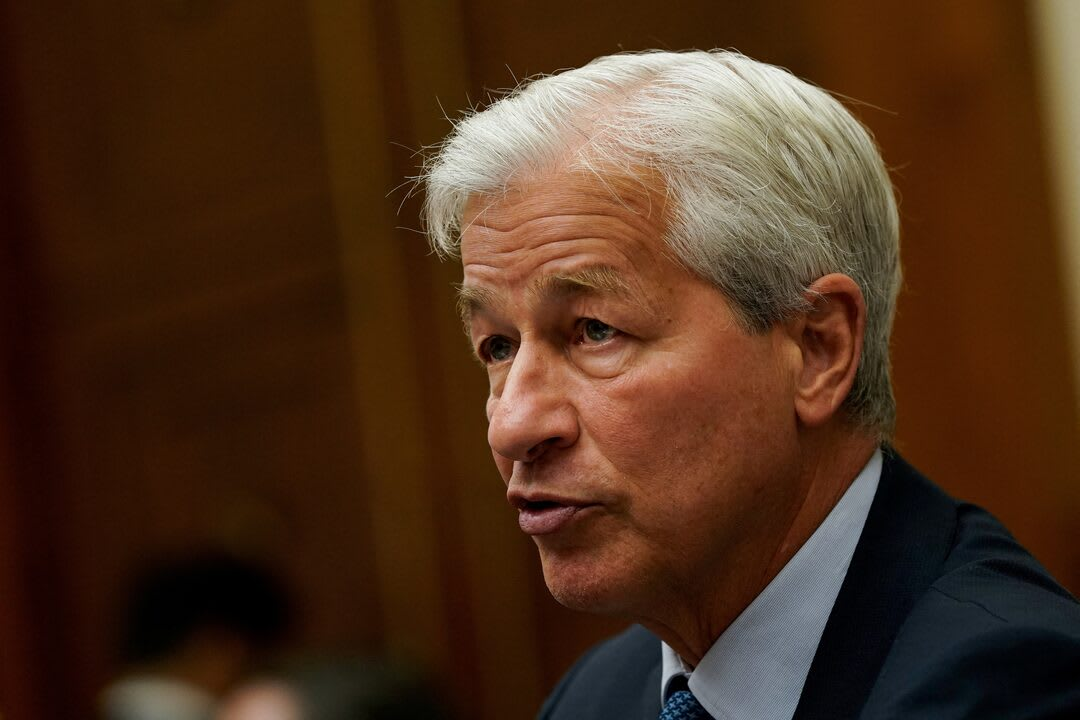 Jamie Dimon, JPMorgan’s CEO, whose bank processed over a billion dollars in suspicious Epstein‑linked transactions while keeping him as a prized client. Reuters.
We are still encouraged to think of JPMorgan, Deutsche Bank and others as having “failed to spot” red flags. That language is comforting. It imagines a system that basically works, occasionally let down by inattentive compliance staff. However, the evidence clearly demonstrates active enablement.
By the time JPMorgan finally cut ties with Epstein in 2013, he had been a prized private‑banking client for more than a decade. Internal records obtained through litigation and reporting show that he held hundreds of millions on deposit and generated large fee income, sitting near the top of an internal list of ultra‑profitable clients nicknamed the ‘Wall of Cash.’ The New York Times reconstructed this in detail in How JPMorgan Enabled the Crimes of Jeffrey Epstein , using emails, compliance reports and transaction data to show that the bank processed thousands of transactions totalling over a billion dollars for Epstein, including payments to women later identified as trafficking victims (and flagged as potential victims in internal compliance documents), and opened accounts for young women with no obvious income on the strength of his introductions.
All of this happened after Epstein pleaded guilty to sex offences in Florida in 2008. Internal emails from 2010 and 2011 show senior lawyers and compliance officers worrying about the reputational risk and recommending the bank end the relationship, only to be overruled. Jes Staley, then a top executive and another person accused of being a serious sexual abuser, argued strongly for keeping Epstein and met him repeatedly. He used Epstein not just as a client but as a connector to other ultra‑wealthy individuals and political figures. NPR’s How J.P. Morgan enabled Jeffrey Epstein and the NYT video How JPMorgan Financed Jeffrey Epstein are good accessible summaries.
The most damning details come from the work of Senator Ron Wyden and New York’s financial regulator. Wyden’s November 2025 release, Continuing Epstein Investigation, Wyden Releases New Analysis Detailing How Top Banks Enabled Epstein , summarises internal JPMorgan documents indicating that John Duffy, then CEO of the US private bank, explicitly advised Epstein to route his large cash withdrawals through his aviation company rather than his personal account to avoid triggering automatic anti–money laundering alerts. New York’s Department of Financial Services, in its enforcement action DFS Issues $150 Million Penalty Against Deutsche Bank Related to Jeffrey Epstein , described a similar pattern in which compliance staff repeatedly flagged Epstein’s transactions as suspicious, only for senior managers to accept implausible explanations and allow the activity to continue.
Only after Epstein was arrested in July 2019 and then died in custody did JPMorgan suddenly discover that these patterns warranted reporting. In the months that followed, the bank filed Suspicious Activity Reports (SARs) covering thousands of previously unreported transactions and more than a billion dollars in flows linked to Epstein. Wyden’s press work and the New York Times piece In Epstein Case, Follow the Money, Democratic Senator Says make clear that the legal obligation to file those reports existed at the time the transactions occurred. The bank chose to wait until doing so no longer threatened the Epstein network. Needless to say many involved still have senior positions at JP Morgan and the bank has never been prosecuted or otherwise found guilty of wrong-doing.
Deutsche Bank played a similar role (they were like the Leon Black to Les Wexner). After JPMorgan finally decided Epstein was too toxic to keep, Deutsche onboarded him in 2013 as a new private‑banking client, five years after his Florida conviction. In 2020, New York’s DFS fined Deutsche $150 million for “significant compliance failures” in its Epstein relationship, describing how the bank processed hundreds of transactions that “should have prompted additional scrutiny” — including payments to Eastern European women, transfers to law firms and models with no clear business rationale, and large cash withdrawals — despite having classified him as “high–risk.” “The DFS order and CNBC’s coverage lay out how this was allowed to happen: Jeffrey Epstein: Deutsche Bank fined $150 million penalty for relationship.
The FinCEN Files, a 2020 investigation led by the International Consortium of Investigative Journalists, showed that Deutsche appeared again and again in leaked suspicious activity reports, associated with hundreds of billions of dollars of questionable cross‑border transfers. Fortune ’s Deutsche Bank and Jeffrey Epstein’s ghost joins the dots: in that context, Epstein looks less like an aberration than a particularly toxic example of a broader business model.
For great in-depth review of the anti-money laundering (AML) and “know your customer” (KYC) failures at JPMorgan Chase and Deutsche Bank see "The Banks Behind the Epstein Enterprise" a four-part case study by Aly McDevitt and **"How Deutsche Bank rolled out the red carpet for Jeffrey Epstein" **(The Financial Times).
This is the backdrop to Wyden’s ongoing battles with the US Treasury and the Justice Department. Suspicious Activity Reports on Epstein do not just log “suspicion” in the abstract, they list counterparties. They show who was on the other end of the wires the banks were so careful not to look at to carefully. Treasury has refused to give Wyden unredacted SARs. In early 2026, Wyden also disclosed the existence of a 69‑page Drug Enforcement Administration memorandum confirming that Epstein and 14 associates were the targets of a five‑year investigation (2010–2015) into ‘illegitimate wire transfers connected to illegal drug and/or prostitution activities ’ in New York and the US Virgin Islands, identifying roughly $50 million in suspicious transfers through accounts in Switzerland, France, the Cayman Islands and New York. Wyden’s release Wyden Questions DEA Over Mystery Epstein Investigation and coverage such as Yahoo’s Epstein was the subject of a DEA probe that spanned years, memo shows are good entry points to this. The DEA probe was closed without charges, and senior Justice Department officials have since intervened to prevent Congress seeing that memo in full.
If justice was anyone’s intention at the Department Of Justice we would have had disclosure.
In any event, the result of all this facilitation and suppression of investigations was that:
The Epstein network enjoyed unfettered access to the global financial system
long after his crimes were acknowledged by the courts. His criminal network depended on that access. The banks provided it and the state, when finally forced to look, has so far been more interested in limiting institutional damage than in exposing the full cycle of money, power and protection.
This brings us to another strange political dimension: the way Epstein’s network intersected with Trump, Bannon and how the Trump administration promised to release the files and bring the matter to a close.
Episode 4: Trump, MAGA, and the Network Around Epstein
If the banks show how Epstein’s operation plugged into the financial system, the Trump story shows how deeply it overlapped with contemporary far right politics. Publicly, Trump has insisted he barely knew Epstein and Steve Bannon has sold himself as the man exposing “globalist” elites. In the documents, both men turn up in Epstein’s inbox as people he knew well enough to pitch, coach and help.
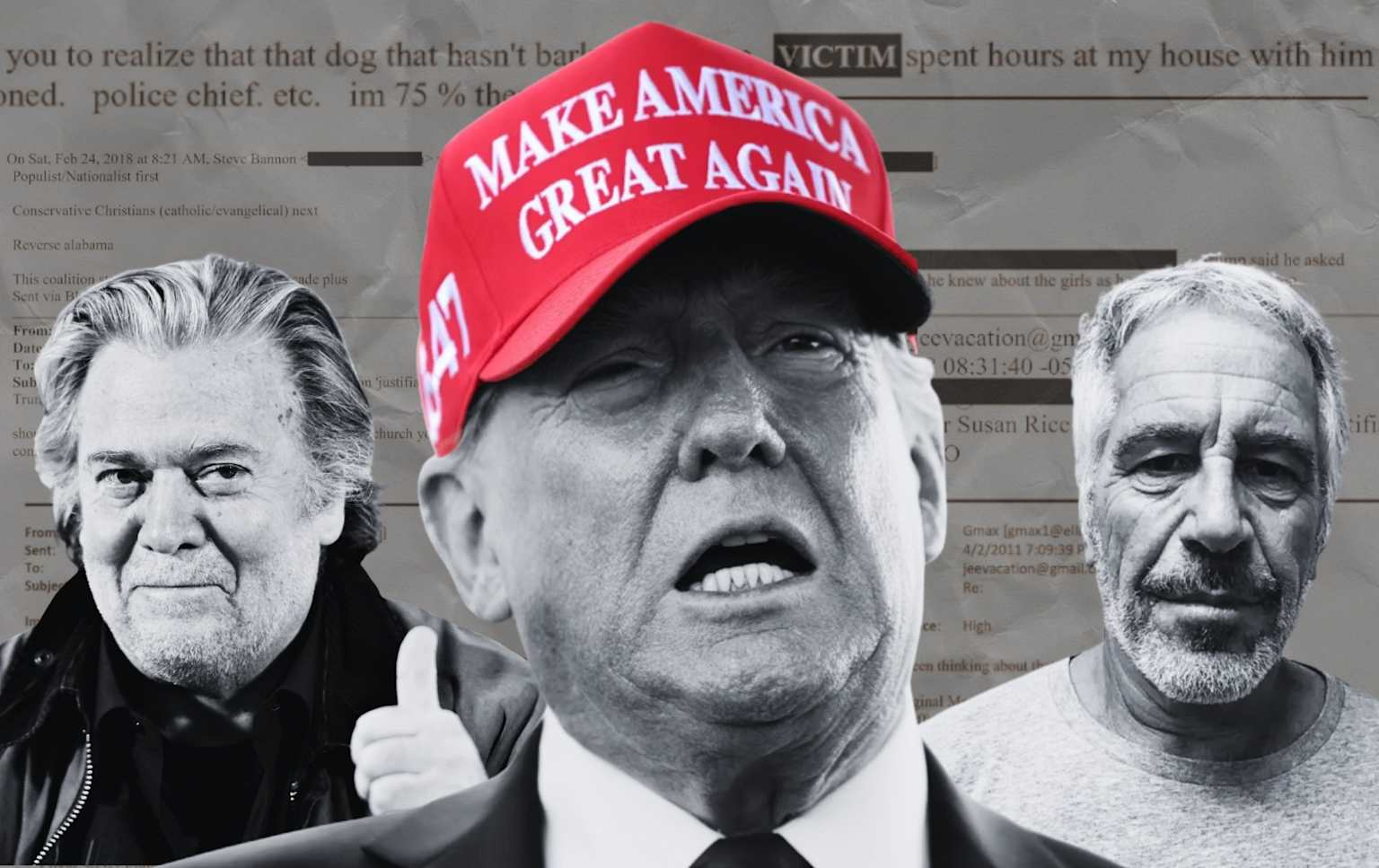 ’Jeffrey Epstein Had Access to Trump’s Inner Circle, While Working With Steve Bannon’, Byline Times
The Trump–Epstein relationship goes back decades. They moved in the same New York and Palm Beach circles in the 1980s and 1990s, appeared together at parties and at Mar‑a‑Lago, and spoke publicly about their shared interest in ‘beautiful women… on the younger side. ’ You can find a good basic timeline in the Wikipedia entry on Jeffrey Epstein and in mainstream treatments like the NYT overview Jeffrey Epstein’s Safe Had ‘Piles of Cash’ and a Fake Passport. At least one survivor, Virginia Giuffre, has alleged that her trafficking began when she was recruited while working at Trump’s Mar‑a‑Lago resort — an allegation covered widely, including by the Miami Herald and the BBC.
By the time Trump was president, the relationship had shifted from shared social milieu to something more political. A large tranche of emails released in 2025 shows Epstein closely tracking Trump’s behaviour, speculating about his vulnerabilities, and offering himself as a source of “insight” to actors around the Kremlin. In June 2018, three weeks before the Helsinki summit, Epstein wrote to former Norwegian prime minister Thorbjørn Jagland suggesting that Russia’s foreign minister, Sergey Lavrov, could be given “ insight on talking to ” Trump. Jagland replied that he would pass the message on to Lavrov’s office. This exchange is described in Jeffrey Epstein offered to give Russia ‘insight’ into Trump (Yahoo/Politico) and Emails reveal Epstein sought Kremlin meeting to offer ‘insight’ on Trump (Novaya Gazeta Europe). What, if anything, happened next is not documented. What we do see is Epstein positioning himself as someone who understood Trump’s psychology well enough to brief his adversaries. Around the same time, Epstein was corresponding directly with Sergei Belyakov, a graduate of the FSB academy.
Epstein was one of a handful of people who had known Trump closely for years, understood his character, and tried to monetise that understanding in the direction of Moscow at the moment Trump’s relationship with Putin mattered most. Layered on top of that is the Bannon connection. One of the surprises is how frequent the correspondence with Steve Bannon was. Byline Times was able to identify at least 45 emails between them, mainly from 2018–2019, in Steve Bannon Offered Trump’s MAGA as Shield for Jeffrey Epstein and Jeffrey Epstein Had Access to Trump’s Inner Circle, While Working with Steve Bannon.
Bannon explicitly told Epstein that the MAGA movement “ could be a shield ” for him, sketched out plans for a decade‑long right‑wing project to neutralise #MeToo and allied campaigns, and sent him internal thinking on coalition‑building. Epstein, for his part, offered introductions and access: to Gulf sovereign wealth figures, to diplomats, to tech financiers, even to the President of the UN General Assembly. He also proposed crypto‑based funding structures for Bannon’s European populist projects and offered help drafting contact lists for key European leaders.
In private, the architect of Trumpism and one of the most notorious abusers of the last half‑century were working together: swapping contacts, sharing intelligence, plotting funding models, and explicitly discussing how the energy of the populist right could be used to protect men like Epstein.
This shows what we all know, that “drain the swamp” rhetoric was always about replacing the swamp with Trump’s own. Trump’s long‑standing entanglements with Russian business and organised crime, his courtship by Russian officials from the late 1980s onwards, his personal history with Epstein, and his later reliance on Bannon to mobilise rage against “ elites ” are all part of the same story. Good starting points here include the New York Times ’s For Trump, Three Decades of Chasing Deals in Russia , and profiles of Felix Sater such as Felix Sater: Donald Trump’s Original Russia Connection. See also Slate ’s Trump’s Nuclear Experience for a frightening insight to how Trump was thinking about ganging up against the world’s middle powers working with Russia back in the 1980’s.
“Most of those [pre-nuclear] countries are in one form or another dominated by the U.S. and the Soviet Union..Between those two nations you have the power to dominate any of those countries"
(Donald Trump)
As I have said before a Russian versus Israeli nexus debate misses the point with both Trump and the Epstein network— the most accurate way to think about the Epstein network is as a transnational system with a beating rotten American heart. Bannon, Epstein and Trump inhabited the same grey zone: a space where wealth, political access and intelligence contacts blur into one another; where kompromat is a business model; and where movements supposedly aimed at restoring sovereignty and accountability are quietly repurposed to protect autocrats and criminals.
The Epstein connections to Trump are both political and personal and this had led to well founded allegations of continued stalling, concealment and failure to release the Epstein files as required by the Epstein Files Transparency Act , signed into law on November 19, 2025, which requires the U.S. Department of Justice to publicly release all unclassified records regarding convicted sex offender Jeffrey Epstein and Ghislaine Maxwell. It is also notable that Ghislaine Maxwell was moved to a low security prison after meeting with senior DOJ lawyer Todd Blanche, many suspect in return for her continued cooperation with the operation to suppress evidence against Trump and co-conspirators.
The Files the DOJ Didn ’t Want You to See
Perhaps the most concrete evidence that the current DOJ is actively managing the Epstein story — and suppressing evidence that could implicate Trump as an abuser— can be seen in January 2026 when the Epstein files were published.
An unnamed woman had given the FBI four separate interview statements in 2019. She alleged that Epstein had begun abusing her when she was approximately 13 years old in the 1980s, and that Donald Trump had also sexually assaulted her when she was aged between 13 and 15. These are uncorroborated allegations — Trump has denied all wrongdoing and no law enforcement body has found sufficient evidence to charge him with anything Epstein-related. But the FBI took them seriously enough to conduct four separate interviews.
When the DOJ released the Epstein files in January 2026, it published one of the four FBI interview summaries — the one that contained no specific allegations against the sitting President. The other three were withheld. The omission was first identified by independent journalist Roger Sollenberger and confirmed by NPR’s investigation.
Rep. Robert Garcia, the ranking Democrat on the House Oversight Committee, reviewed the unredacted documents and stated the FBI had clearly taken the allegations seriously, noting: “We have a survivor that made serious allegations against the president… the FBI took these allegations seriously.” House Democrats formally accused the DOJ of illegally withholding the documents. Under significant public pressure, the DOJ released the three missing interview summaries on 5 March 2026 — but as of Senator Whitehouse’s letter of 10 March, 37 pages of associated FBI notes remain withheld.
Senator Whitehouse wrote directly to Attorney General Pam Bondi describing what he called " MAGA DOJ’s apparent illegal withholding of documents" pointing to " a dark cover-up for the President." The DOJ’s explanation — that the three Trump-naming interviews were withheld because they were " believed to be duplicative" — satisfied nobody. The BBC’s coverage and Justice Department’s subsequent release make the sequence plain.
The allegations against Trump remain unverified and are likely never be tested in court. What is not in doubt is the documented sequence: a survivor made serious allegations to the FBI four times; three of those four statements named the sitting President; those three were withheld when the files were released; they were only published after sustained public and congressional pressure; and 37 pages still remain sealed (undisclosed) today.
Episode 5. The Russian Trafficking, Mafia and Putin Networks
Once you follow Epstein out of Palm Beach and Manhattan into the post‑Soviet world, the Russian dimension stops being an abstract “influence” story and becomes a trail of specific trafficking operations and organised‑crime contacts. The evidence to date is clearest on three things:
- 1. the industrial‑scale recruitment of young women from Russia and Eastern Europe
- 2. the overlap with Russian mafia‑linked business circles, and
- 3. Epstein’s attempts to turn his Trump access into leverage with people around Vladimir Putin.
1. Industrial‑scale trafficking from Russia and Eastern Europe
The recovered email and spreadsheet evidence shows a systematised supply chain, not a handful of chance encounters.
- A May 2011 email from Moscow with the subject “ updates on the girls ” lists women by name, age and physical description – “ very beautiful, fresh… ready to work for direct booking ” – and promises to resend photos in follow‑up emails.
- Later messages talk about finding “ many Russian girls ” aged “ 20–23 ” and ask “ is that okay? ”, making clear this was a repeat commercial arrangement.
- Internal spreadsheets catalogue women by nationality, age, visa status and ranking, with a heavy concentration of Russian, Ukrainian, Lithuanian and Belarusian victims whose visas and interview dates were being tracked like inventory.
In the visible dataset, the Russian side of the operation is where the trafficking evidence is most concrete and operational: explicit procurement emails, named women, logistics, and visa pipelines. It reads less like a traditional “espionage” file and more like what it was – organised crime in trafficking women.
2. Russian mafia capital and the “grey zone”
- For three decades Trump’s business orbit overlapped with Russian and post‑Soviet money routed through people like Felix Sater – a convicted felon with documented links to Semion Mogilevich’s network who also worked as a US intelligence informant.
- That same oligarchic and mob‑linked capital was flowing into Western real estate, hedge funds and tech, often through offshore structures and Chabad‑linked social networks that blurred the line between Kremlin, mafia and “respectable” investors.
- Epstein sits in the middle: a man who could host Russian ambassadors and Gulf royals at the same lunch as Ehud Barak and Tom Barrack, while also corresponding with former FSB‑academy officials about models and money.
Seen this way, the Russian mafia element of the Epstein story is about a shared grey zone where organised crime cash, state interests and Western elites all used the same channels and plausible deniability tricks of the trade when arranging or facilitating deals or information flows.
3. Putin’s circle and sanctions‑evasion pitches
There is also a Kremlin‑edge to this picture:
- Epstein repeatedly tried to parlay his Trump familiarity into access for Russian officials, offering “ insight on talking to Trump ” via intermediaries ahead of the Helsinki summit and passing psychological assessments and political advice towards Moscow.
- He corresponded with Sergei Belyakov, an FSB‑trained former deputy minister, about a Russian model blackmailing powerful New York businessmen, and pitched Belyakov on a Bitcoin‑style system to help Russia dodge Western sanctions and weaken the dollar.
- The Dossier Center have also traced a recruitment pipeline centred on Novosibirsk – who appears 307 times in the correspondence – consistent with the Russian intelligence practice of industrialised honey‑trap operations feeding kompromat networks.
However, Epstein was more aspirant than insider in the Kremlin world: no Russian state money appears to have funded his original rise, and his attempts to get a direct audience with Putin seem to have failed. What the files show, is a man embedded in the same mafia‑touched, sanctions‑busting, trafficking ecosystem around Putin that has destabilised democracies elsewhere – and trying hard to monetise his access to Trump and to trafficked women inside that ecosystem.
It is also notable that Robert Friedman’s Red Mafiya — an investigation into the transnational post-Soviet crime syndicate that infiltrated governments and corporations through the 1990s — documents Semyon Mogilevich obtaining an Israeli passport from Robert Maxwell in 1988, the same year Maxwell’s daughter Ghislaine began building her relationship with Jeffrey Epstein. The same families and networks — a generation before the operation became visible. As journalist Sarah Kendzior has noted, ‘some blame Russia for the US downfall, some blame Israel, but it was always both — along with American collaborators.’ (‘The No World Order’) Red Mafiya belongs in any serious Epstein researcher’s reading list. Kendzior is also particularly good at describing how much Trump and his supporters have learned from the breakup of the Soviet Union, and the opportunities that destruction afforded for the rise of the oligarchs and the increase in Putin’s personal wealth.
In conclusion, the Russian pole of the Epstein network is clearest where the crimes are clearest: in the supply of trafficked women, the overlap with mafia‑linked capital, and the Kremlin‑adjacent schemes to game sanctions and exploit Trump – all of it part of and plugged into a system that was designed, protected and legalised in Washington not Moscow.
Episode 6. A Transnational Network With An American Heart
It is understandable that many people want the Epstein story to rest, in the end, on someone else’s doorstep. If it is primarily a Russian story, we can fold it into a familiar narrative about oligarchs and hybrid war and in the West it is relatively easy to attack Putin and his gang (though not without risks). If we make it primarily an Israeli story, Americans (particularly nativist right-wing Americans) can tell ourselves that a foreign intelligence service penetrated an otherwise innocent system (or can even try to spin it into an anti-semitic narrative). Both of those lines contain elements of truth but they do not explain why the US system has acted and responded as it did and does. That requires decades of home-grown support and cover from the very top tier of the US political and/or intelligence class.
What the documents we have actually show is a network with at least four main poles: American, Israeli, Russian and, to a much lesser extent, the Gulf. Each contributes something different and benefits in different ways.
America provides the foundation and the framework: courts, prosecutors, banks, universities, think tanks, media platforms and social spaces in which reputations are made, laundered and defended. It is American prosecutors who convert a 53‑page draft indictment and an 82‑page money‑laundering memo into a secret non‑prosecution agreement with blanket immunity for “any potential co‑conspirators” — as detailed in Bloomberg ’s “Epstein Prosecutors Prepared Sex Trafficking Indictment in 2007 ” and in Judge Kenneth Marra’s ruling in Jane Doe 1 & 2 v. United States (summarised in the Miami Herald ’s “Perversion of Justice” series). It is American regulators who, years later, fine Deutsche and JPMorgan for “oversight failures” while declining to charge individual executives. It is American agencies that hold something like 98 per cent of the seized Epstein evidence in sealed vaults and drip out the remainder on their own terms — a point made forcibly in forensic analyses by the New Republic and Channel 4 News when the 2026 DOJ release landed.
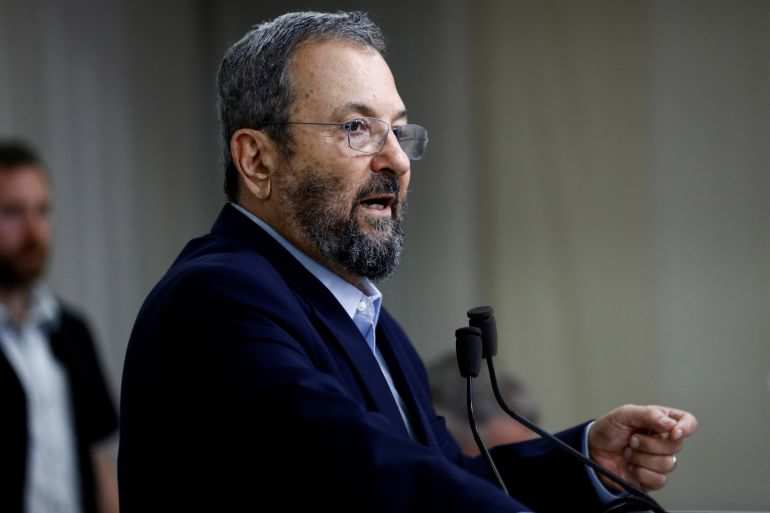 Ehud Barak, former Israeli prime minister, whose long‑running relationship and investments with Epstein sit at the centre of the Israeli side of the network. ‘Former Israeli PM Barak responds to criticism over close Epstein links’, aljazeera.
The Israeli pole is not incidental. Two redacted FBI confidential human source reports — FD‑1023s that have been widely circulated in media summaries — portray Epstein as “ belonging to both US and allied intelligence services ” and refer to an “ Israeli state‑sponsored technology collection and extortion operation ” built partly around his properties. Whatever weight we give those reports, the public record confirms that Epstein invested in and helped fund Carbyne, a surveillance tech firm built by former officers of Unit 8200 (Israel’s signals intelligence unit); that he had an unusually close relationship with Ehud Barak, who visited his properties dozens of times and co‑invested with him; and that he was being used as an informal fixer and funder in efforts to bring Israel and Gulf states closer together years before the Abraham Accords — see Jacobin ’s “Epstein, Barak, Thiel and Carbyne ” and Nina Burleigh & Katie Chenoweth’s “The Epstein Accords ”.
In January 2016, Epstein’s Southern Trust Company became a 50% limited partner in Sum (E.B.) 2015 LP, a structure designed by Epstein’s own lawyer Darren Indyke, with Barak’s intelligence consultancy Ergo as the general partner controlling where the money went — one destination being Carbyne. In February 2026, Axon — the company that makes the majority of American police body cameras — completed a $625 million all-cash acquisition of Carbyne. The surveillance technology funded through Epstein’s offshore structures and built by Unit 8200 veterans is now embedded in both the 911 system and police recording infrastructure simultaneously. In addition, Scott Bessent who is currently blocking Congressional access to Epstein’s financial records — chairing CFIUS, overseeing FinCEN, refusing Wyden’s three formal requests in 2025 — has a documented prior commercial connection to the network those records would map. Kait Justice, ‘Is This Why The Treasury Secretary Is Blocking Epstein’s Financial Records?’, Substack, 4 March 2026.
And then there is the Gulf connections. When the FBI raided Epstein’s townhouse in 2019, they found a fake Austrian passport in his safe, issued in 1982 in the name “Marius Robert Fortelni,” bearing his photograph and listing a home address in Dammam, Saudi Arabia. The New York Times piece on his safe and a later New York Post /AOL story, “Jeffrey Epstein’s fake Austrian passport pictured in latest DOJ document dump ”, both reproduce this. The passport carried entry stamps and a Saudi visa. Epstein’s lawyers claimed it was for “ personal protection.” This is not the sort of document that appears in the life of an ordinary financier.
In the recent DOJ releases, we also see years of correspondence with Sultan Ahmed bin Sulayem, the chairman of DP World, Dubai’s state‑linked port operator. In February 2026, bin Sulayem resigned after it emerged that he appeared in the Epstein files thousands of times and that Epstein had lobbied UK minister Peter Mandelson to “ be nice to Sultan ” as DP World sought control of London Gateway port. The New York Times ’ “Dubai Ports Boss Resigns Amid Fallout From Epstein Files ” and a Sussex Centre for the Study of Corruption blog, “Corruption and the Mandelson–Epstein affair ”, give good summaries. Separate reporting, including CBS’s “Inside Jeffrey Epstein’s relationship with Saudi Arabia ”, has confirmed that Epstein cultivated relationships with Saudi royals, received pieces of the sacred Kiswah cloth and other gifts, and was consulted on legal and political questions affecting Saudi interests in Washington.
The Russian pole is set out in the previous section. These four powerful poles do not add up to a single coherent, master‑planned conspiracy. It seems more disordered and, in some ways, more dangerous: overlapping elites sharing info and each other’s tools. An American prosecutor who decides an intelligence‑linked asset is “ above his pay grade ” and cuts a deal is making a choice that benefits not only domestic agencies but any foreign partners embedded in or connected to the same operation. A bank that coaches a client like Epstein on how to evade anti–money laundering rules is protecting its own revenue stream but also preserving a channel that others — in Tel Aviv, Moscow, Riyadh or London — can exploit.
This is why it matters that we keep insisting on the Epstein network being an American story at heart: use of New York’s banks; the prestige of US universities; the reach of US‑based media; the veto power over what does and does not get investigated or prosecuted or even what stories and allegations get media coverage and which ones get buried. Once those US assets are made available to a network like this, they do not stay “American” in any meaningful sense. They become part of a shared grey zone in which the question “who is using whom?” no longer has a clear answer.
For our purposes, the key point is simpler. If we let ourselves believe that this is essentially about foreign capture — “Russia did it ”, “Israel did it ,” “the Saudis did it ” — then the remedy looks like better vetting, tighter foreign‑agent registration, more vigilant counter‑intelligence. Those are not bad things, but they miss the centre of gravity and would do nothing to give justice to the victims of the Epstein network or to stop this happening again. The decisive choices in this story are about the lack of justice in America: US attorneys choosing impunity over indictment; regulators preferring fines over discovery or prosecution; senators blocking access to SARs; senior Justice Department officials intervening to hide an unclassified DEA memo or other damaging files.
The Epstein network is a particularly concentrated expression of something that now runs through our politics in the West: the ability of very wealthy, very connected men to build transnational systems above any national law or normal ethical code and with no accountability to citizens and voters. If accountability comes at all, it lands on individuals who are marginal, expendable or dead. That is why the Epstein case still matters. Not because Epstein was uniquely monstrous, but because he was uniquely visible — and because, even when forced into the light, the system that nursed and protected his network has so far still proved largely immune to law or justice.
In The Words Of The Victims
So far we have covered nearly everything but the victims. Their experiences, suffering and bravery in trying to speak out against the most powerful people and organisations in the world. Highly connected abusers given government immunity that have no shame or fear of committing rape, torture and murder.
The case exists because real women and girls were trafficked, groomed and abused. Many of them teenagers, many from backgrounds that gave them little power to resist or to be believed and often abusive homes. They are the primary emotional driver for keeping this story alive. Also the many other victims that we will never know of – both in this case and right now today all those suffering abuse at the hands of powerful men somewhere in the world.
The scale of the abuse
The 53-count federal indictment that was buried in 2008 named 36 underage victims. Those are only the ones investigators could document from a single geographic focus — Palm Beach — in a single investigative window. The Epstein Victims’ Compensation Program, which ran from 2020 to 2021, received more than 225 claims — more than double what administrators expected — and paid out approximately $121 million to around 150 eligible claimants. In February 2026, the Epstein estate agreed a further $35 million class-action settlement with survivors. These numbers reflect only those who came forward, who were believed, and who met the programme’s criteria. The real number of victims is certainly far higher.
Virginia Giuffre: the most prominent fighter
Virginia Giuffre was recruited into Epstein’s network as a teenager while working at Donald Trump’s Mar-a-Lago resort in Palm Beach. She was trafficked to multiple powerful men, including — she alleged under oath — Prince Andrew. She gave sworn testimony, filed civil suits, endured years of being publicly smeared and threatened, and forced Andrew (formerly known as Prince) into a settlement in February 2022 that included his acknowledgement that she was “an established victim of abuse " and a substantial donation to her survivors’ charity. She founded the advocacy organisation Speak Out, Act, Reclaim (SOAR) to support other trafficking survivors. In April 2025, Virginia Giuffre died by suicide at her home in Western Australia, aged 41. Her family said she “lost her life to suicide, after being a lifelong victim of sexual abuse and sex trafficking.” She was 41 years old with three children. The men who trafficked and abused her remain free.
Courtney Wild and Michelle Licata: the legal fighters
Courtney Wild was recruited by Epstein’s network at the age of 14. For over a decade she fought in federal court to have the 2008 NPA declared illegal, arguing that the government had violated the Crime Victims’ Rights Act by concealing the deal from the people it most affected. Michelle Licata, another survivor, testified in those proceedings:
” The case ended without me knowing what was going on, without him being held responsible, without any explanation and without a chance for my voice to be heard. I was treated like I did not matter."
(Michelle Licata)
A federal judge eventually ruled the NPA illegal. The legal battle consumed years of these women’s lives whilst the Epstein network continued operating freely.
Maria Farmer: the first whistleblower
Maria Farmer reported Epstein and Ghislaine Maxwell to the New York Police Department on 29 August 1996, and was referred to the FBI, which she contacted on 3 September 1996. She told the Bureau that Epstein possessed explicit images of children and had installed recording devices and sophisticated computer monitoring throughout his Manhattan home. The FBI agent hung up on her mid-sentence. Her complaint, confirmed in the released files, shows that the Bureau had actionable evidence against Epstein nearly a decade before it opened Operation Leap Year in 2006.
Maria Farmer has since filed her own lawsuit against the US government for the FBI’s deliberate inaction, and Representative Robert Garcia has formally demanded a DOJ Inspector General investigation into the Bureau’s failure to act on her 1996 complaint. She has spent nearly thirty years trying to be heard.
Annie Farmer: the trial witness
Annie Farmer, sister of Maria Farmer above, was one of the few survivors willing to testify in the Ghislaine Maxwell trial in her own name. She told the jury how she had been invited to Epstein’s New Mexico ranch in 1996 as a 16-year-old, hoping Maxwell and Epstein would help her with academic work. Instead, Maxwell assaulted her during a massage and Epstein climbed into her bed. Her testimony was central to Maxwell’s eventual conviction in December 2021. Had the authorities not hung up on Maria Farmer and refused to investigate, Annie’s abuse and that of many others would have been prevented.
Beyond the women who testified publicly, federal civil court filings paint an even broader picture. Lawsuits by multiple women — referred to in court documents as Jane Does — allege abuse that began when they were as young as 13. A 2020 federal lawsuit alleged that Maxwell and Epstein recruited a 13-year-old music student from a Michigan arts school in 1994 and subjected her to years of abuse. These are allegations in legal filings, not proven facts — but they are sworn statements made in federal court by women who chose to seek justice through the legal system.It is hard to have proven abuse when no one will investigate and prosecute.
Julie K. Brown and the journalism that broke the case open
None of the legal battles or public reckoning of any kind would have happened without Miami Herald reporter Julie K. Brown, whose 2018 Perversion of Justice series gave survivors the chance to speak about what happened to them. As she has said:
" There is nothing that was more powerful than the words of the women talking about this themselves. And I still kind of get choked up when I think about how brave they were."
(Julie Brown)
The women who spoke to Brown knew they risked being attacked, discredited and publicly exposed (or worse).
What partial justice has been achieved
- Ghislaine Maxwell was convicted in December 2021 on five counts of sex trafficking and related charges. She is currently serving a 20-year sentence, though her lawyers are pursuing clemency.
- The Epstein Victims’ Compensation Program paid out $121 million to approximately 150 claimants.
- JPMorgan and Deutsche Bank both settled civil claims brought on behalf of survivors, with JPMorgan paying $290 million and Deutsche $75 million — without admitting liability.
- The Epstein estate reached a $35 million class-action settlement in February 2026.
What has not happened
No co-conspirator other than Maxwell has been charged. The men who flew on the Lolita Express, appeared in the flight logs and the black book, and are named in victim testimony remain free and have not even been investigated and charged.
Survivors Liz Stein and Sharlene Rochard told ITV News in February 2026 that they are furious the released files repeatedly left survivors’ names unredacted while protecting the identities of perpetrators — the precise inversion of what a justice system should do. They are pushing for new legislation to enable prosecutions.
The 98% of seized evidence that remains sealed almost certainly contains the names, communications and financial records that would make those prosecutions possible.
If you have been affected by any of the issues in this article, support is available. In the UK:Rape Crisis (0808 500 2222). In the US: RAINN (1-800-656-4673). International: crisis support resources via IASP.
Conclusion
The release of 2 percent of the evidence has told us enough to know what the remaining 98 percent would likely show. The financial architecture of a network that included and compromised some of the most powerful figures in Western political life, more evidence of alleged horrific abuse. It would show who gave the instructions that produced the most extraordinary immunity deal arguably in the history of American federal prosecution. It would show whether the separation between American, Israeli and Russian powers — at the level of the private networks that actually exercise and operate those channels — was ever as clear as the Cold War framework made us believe.
Instead we have the continued protection of the abusers and criminals by American prosecutors, banks, intelligence agencies, justice department and five successive American administrations spanning both parties and three decades. The survivors have been ignored, discredited, and in some cases destroyed. The institutions that were meant to protect them protect the network instead.
The “Epstein” story is not about a person. It is about a transnational criminal network. It is not an Israeli story or a Russian story or a Gulf story. It has an American heart — but ultimately it is about power, corruption, and impunity, which takes no account of race, religion, or borders. The people who built that network, funded it, used it, and protected it when it was threatened are, with very few exceptions, still in their positions. Still wealthy. Still powerful and still not subject to law or justice.
The victims of the Epstein network were abused by vile, wealthy, powerful men — and have since been abused again and again by an American justice system that is immune to justice when it affects the interests of the powerful.
Other Useful Sources
Epstein Exposed- evidence review application
Al Jazeera’s “visual guide” to the Epstein files
Crimecentrals – “The Epstein Files: Power, Secrecy, and the Failures That Enabled Abuse”
r/dataisbeautiful “Interactive network graphs and timelines for 1.32M Epstein documents
Epstein Archive (Reddit / GitHub project)
Gmail‑style interface for Epstein’s released emails
Additional Links
- Epstein Secrets - a great interactive database
- The Non-Prosecution Agreement
- DOJ Release
- OPR Report
- Draft Federal Indictment:
- Victim’s Challenge to the NPA
- Miami Herald coverage
- “He belongs to intelligence’
- Crime centrals: acts, evidence of failure and speculation
- ‘United Nations ‘Epstein Files: Nobody should evade justice’
- ‘Justice Department withheld and removed some Epstein files related to Trump’
- ‘In Putin’s Orbit: The Crypto Politics of Jeffrey Epstein and Peter Thiel’
- ‘Epstein Birthday Book in pictures’
- ‘A Look Inside Jeffrey Epstein’s Manhattan Lair’
- ‘Epstein’s Birthday Book’
- ‘Ehud Barak calls Epstein a collector of people’
- ‘Leslie Wexner Accuses Jeffrey Epstein of Misappropriating ‘Vast Sums of Money’
- ‘Billionaire Les Wexner tells US lawmakers he was ’naive’ and ‘conned’ by Epstein’
- ‘Epstein files offer new clues about FBI interest in his billionaire benefactor’
- ‘Billionaire investor Leon Black is accused of raping teen in Jeffrey Epstein’s NY townhouse’
- ‘Wyden Unveils Ongoing Investigation Into Private Equity Billionaire Leon Black’s Tax Planning and Financial Ties with Jeffrey Epstein’
- ‘Epstein Files Reveal Opaque World of Top Art Deals, Loans, LLCs’
- ‘Epstein: Mossad’s Blackmail Mastermind?’
- ‘Why Is the Media Not Touching Jeffrey Epstein’s Clear Connection to Israel?’
- ‘He Built the Definitive Epstein Database—and It Consumed His Life’
- ‘The Epstein Accords, Part One: The Road to Riyadh’
FBI files:
- CHS memo on Epstein as “co‑opted Mossad agent” (primary document, unverified source reporting) and Dershowitz as a direct Mossad agent. Also refers to previous intelligence asset reports that are not disclosed in the Epstein files:
- CHS memo Epstein as Israeli intelligence agent (primary document, unverified source reporting): “Her behavior indicates there was something “dark” that never ended up surfacing in the media, which Hellmann was aware of. (U//FOUO) USPER had been to Epstein’s residence and believed he was a ‘construct” who was playing a role. Specifically, Epstein was running an Israeli state-sponsored technology collection and extortion operation. This assertion is backed up by two variables - 1) who his benefactors and assistants were, 2) what activities he was involved in. Due to the number of secrets Epstein must have been aware of, its not surprising he did not last long after being put into custody.”
- ‘Epstein files: Truth, accountability and a million new conspiracy theories’
This article is based on a wide range of analyses and documentary evidence from the DOJ’s 2026 Epstein Files releases including: the New Republic and Channel 4 News forensic analyses of release volume; the DOJ Office of Professional Responsibility 2020 report on Alexander Acosta; FBI documents EFTA00090314, EFTA01683612, EFTA00964912, and EFTA01748314; Al Jazeera’s February 2026 Israeli connections investigation; Dropsite News’s September–November 2025 Epstein-Israel series; the Dossier Center’s verified reporting on Sergei Belyakov; Jacobin’s March 2026 Carbyne/Thiel investigation; Zeteo’s February 2026 analysis by Prem Thakker; the Times of Israel’s review of the Barak email chain; the New York Times’s December 2025 reporting on Maria Farmer’s 1996 FBI complaint; the New York Times’s March 2026 investigation into DOJ non-prosecutions; Bloomberg’s October 2025 and December 2025 reporting on the Villafaña indictment and money laundering probe; Bloomberg’s February 2026 investigation into Dubin and Epstein’s hedge fund network; the NY Post’s December 2025 reporting on the fraudulent Austrian passport; the New York Times’s February 2026 reporting on Sultan Ahmed bin Sulayem and DP World; CBS News’s November 2025 investigation into Epstein’s Saudi Arabia connections; Reuters’s February 2026 reporting on Epstein’s Gulf network; National Today and IBTimes UK’s February 2026 reporting on the DEA Operation Chain Reaction memorandum; Byline Times Edition 83 (March 2026); Byline Times November 2025 investigation into Bannon and Epstein; Politico’s November 2025 reporting on Epstein’s Trump intelligence briefings to Russian contacts; Senator Wyden’s Senate Finance Committee releases, July 2025 through March 2026; Business Insider’s July 2023 and February 2026 reporting on JPMorgan and Leon Black; Hyperallergic’s February 2026 reporting on Leon Black allegations; Yahoo News’s February 2026 investigation into Wexner and the FBI; and Nina Burleigh and Katie Chenoweth’s March 2026 investigation “The Epstein Accords” in American Freakshow.